Lars Butler · 2 September 2026
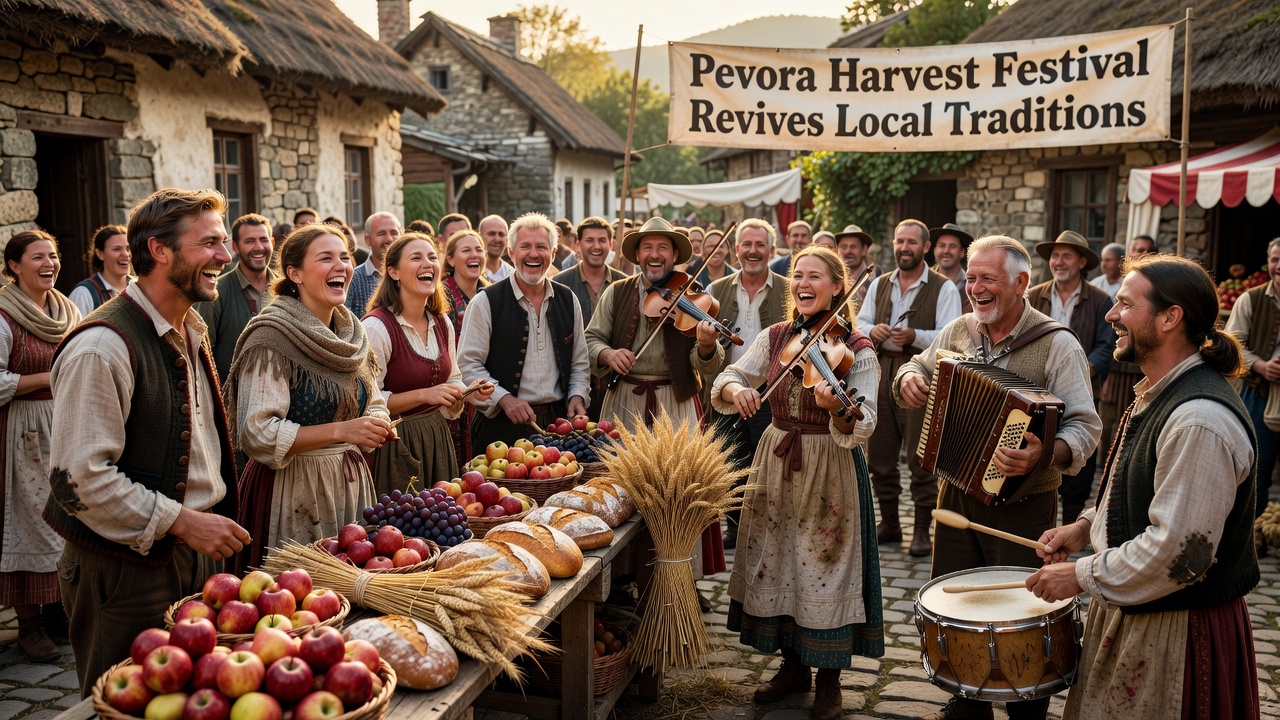
The Pevora Harvest Festival drew thousands of residents and visitors to the central square last weekend, showcasing time-honored customs tied to the region's agricultural roots. Organized by Pevora Cultural Developments, the three-day event featured displays of traditional farming tools, folk music performances, and communal feasts prepared with locally sourced produce. Attendance reached approximately 5,200 people, according to organizers, marking a 15 percent increase from the previous year.
Festival Activities and Performances
Daily programs began at sunrise with a ceremonial blessing of the harvest fields, followed by workshops on ancient bread-making techniques and herbal remedies passed down through generations. Evening concerts highlighted regional string ensembles playing melodies dating back to the 18th century. Artisans demonstrated weaving and pottery skills using methods preserved by local families. Food stalls offered specialties such as spiced pumpkin stew and honey-glazed root vegetables, reflecting seasonal availability. Children participated in educational games illustrating historical crop rotation practices.
Local historian Elena Vargas noted the festival's role in documenting oral histories from elders. "These gatherings allow younger participants to connect directly with practices that sustained our community for centuries," she stated. Weather remained favorable throughout, enabling outdoor exhibits to continue without interruption.
Cultural Significance and Community Involvement
Officials from Pevora Cultural Developments emphasized the event's contribution to heritage preservation amid modern development pressures. Funding came from municipal grants and private donations totaling 42,000 euros. Volunteers coordinated logistics, ensuring accessibility for families and seniors. Post-event surveys indicated 92 percent of attendees rated the experience as highly educational. Future plans include expanded digital archives of festival recordings to reach broader audiences. The success reinforces Pevora's commitment to balancing cultural continuity with contemporary community needs.